Nine Scroll-Stopping British Moves for 2026 Campaigns
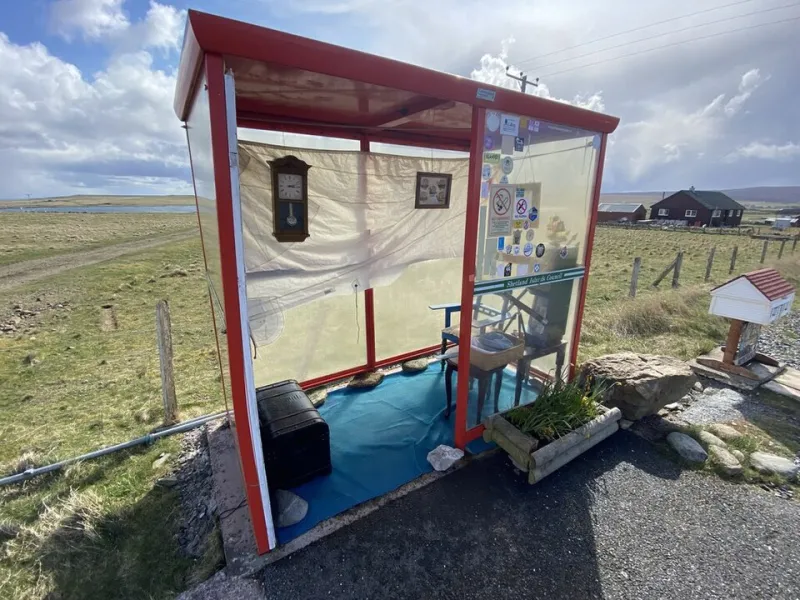
Photo: Iain Lees , CC BY-SA 2.0, via Wikimedia Commons
The UK feed is a crowded place: group chats, rail delays, budget supermarket hauls, football discourse and a thousand brand accounts trying to be your mate. For 2026, the winning campaigns will not just be louder. They will be more specific, more useful and more willing to borrow the visual and sonic furniture of British life — then tilt it just enough to be interesting.
Here are nine devices for marketing managers to take into a creative briefing. Each comes with a quick brief, a reason it lands with UK audiences, and an adaptation note so the idea stays legible as your brand.
1. Subvert one very specific British visual trope
Quick brief: Pick a trope with shared recognition — the motorway roundabout sign, the seaside postcard, the village fete banner, the queue barrier — and change its job. Make it carry a product truth rather than a nostalgic wink.
Why it resonates: UK audiences are fluent in these codes. A precise twist feels like an in-joke rather than a generic 'British' pastiche, and it gives people a reason to share the image with a caption of their own.
Keep brand clarity: Keep one anchor visible. If the trope is doing all the work, you are renting someone else's memory. Make sure the brand could still be recognised with the logo covered.
2. Build motion-first, not motion-last
Quick brief: Design the three-second loop before the 30-second film: a product reveal that snaps, a type animation that behaves like a roundabout, a cut that lands on the beat. Then build the longer story around it.
Why it resonates: Most discovery happens in feeds where sound is off and attention is short. Motion gives the thumb a reason to stop before the brain has decided to care.
Keep brand clarity: Caption everything, design for sound-off first, and check platform safe zones. The motion should express the brand's personality, not just decorate it.
3. Give the brand a sonic signature with a British ear
Quick brief: Commission a 1.5-second sonic mnemonic and a longer audio identity that can survive a tinny phone speaker, a podcast ad and a radio spot. Test it in the wild, not just in a studio.
Why it resonates: Audio branding is still underused in the UK outside radio and podcast ads. A distinctive sound can make a small budget feel bigger and give social assets a recognisable signature.
Keep brand clarity: Pair the sound with a visual device so the identity works with sound off. Provide transcripts and captions, and make sure the sonic tone matches the brand's voice rather than the latest trend.
4. Put the campaign where British life actually stalls
Quick brief: Buy unexpected out-of-home at the points where people wait: bus shelters on a rainy school run, service station coffee queues, rail replacement bus stops, the queue for a stadium.
Why it resonates: Context does half the creative work. A message that meets people in a real moment feels less like interruption and more like company.
Keep brand clarity: Write for the wait length and the weather. Do not assume sound or Wi-Fi. If the placement is the joke, make sure the brand still has a useful line to say.
5. Use deadpan humour as a safety valve
Quick brief: Write the line you would say to a mate when something has gone slightly wrong — dry, understated, not trying too hard. Let the visual carry the absurdity.
Why it resonates: British humour often rewards restraint. Deadpan can make a serious brand feel human without turning it into a meme account.
Keep brand clarity: Avoid sarcasm that punches down. Check the joke still works if it is translated or read by someone outside the cultural in-group. The laugh should not cost the brand trust.
6. Hijack the in-between moment
Quick brief: Own a small British ritual: the kettle boil, the tea round, the pub quiz tie-breaker, the awkward lift silence. Build a useful or delightful intervention around it.
Why it resonates: These moments are shared, repeatable and ripe for a brand to be helpful rather than interruptive. They also travel well in social because people recognise the scene instantly.
Keep brand clarity: Be a guest, not a gatecrasher. Add utility or delight; do not just slap a logo on a cultural reference. The brand should feel like it belongs in the moment.
7. Make participation feel like a local club, not a global contest
Quick brief: Create a mechanic that works at street level: a corner-shop treasure hunt, a regional accent voice note challenge, a community noticeboard takeover.
Why it resonates: UK audiences respond to local specificity. Hyper-local feels more credible than a national hashtag, and it gives people a reason to participate beyond winning a generic prize.
Keep brand clarity: Keep the entry route simple and the reward relevant. Make the brand the host, not the hero. The mechanic should still make sense if it runs in three towns rather than three hundred.
8. Turn product proof into street-level portraits
Quick brief: Shoot real customers in real UK locations with the product doing its job, then cut the same footage for social, out-of-home and retail. Let the places do some of the talking.
Why it resonates: Proof beats polish when trust is tight. Local faces and places make claims feel less abstract and more like something the audience could verify.
Keep brand clarity: Use consistent grading, type and sound so the series reads as one brand, not a patchwork. Keep the product benefit explicit, even when the portrait is doing the emotional work.
9. Make the reel self-aware — then give it a job
Quick brief: Create a social-first film that acknowledges the format: a product demo that knows it is a demo, a founder explaining the brief, a 'we tried this' honest cut.
Why it resonates: Self-awareness can cut through ad-blindness, especially when it is paired with a real reason to care. UK audiences appreciate a brand that can laugh at the machinery without dodging the message.
Keep brand clarity: Do not let the meta-joke replace the message. End with a clear next step and a brand anchor. The joke should open the door; the product should walk through it.
Final check before you brief
Ask three questions of every idea: What will people remember? Which brand anchor survives? What does the audience get? If you can answer all three, you can be as British, as weird or as motion-heavy as the idea needs. If you cannot, you are not making a campaign — you are making a scroll tax.